
Key sections for the article
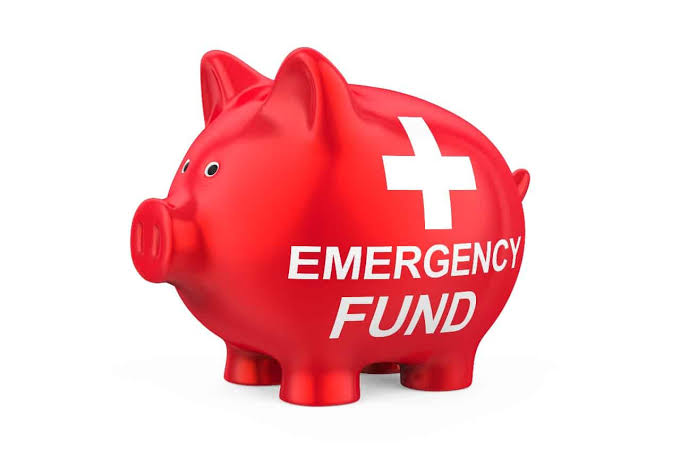
- Build an Emergency Fund
Keep at least 3–6 months of essential expenses in easily accessible savings or liquid investments. - Protect Yourself with Insurance
Health insurance and adequate life insurance can prevent a financial emergency from becoming a financial crisis. - Keep High-Interest Debt Under Control
Credit-card and other expensive debt can quickly worsen an emergency. Prioritize paying these off. - Have a Backup Income Plan
Maintain employable skills, professional contacts and, where practical, a secondary source of income. - Don’t Panic-Sell Investments
During an emergency, avoid selling long-term investments at a loss unless the money is genuinely needed. - Prioritize Expenses
Separate expenses into essential, important and discretionary categories and immediately cut non-essential spending. - Keep Emergency Money Accessible
Your emergency fund should not be locked into investments that are difficult or costly to withdraw from. - Create an Emergency Financial Plan
Decide in advance which expenses you would cut, which assets you could access and whom you would contact for help. - Avoid New High-Cost Loans
Borrowing through credit cards or expensive personal loans should generally be a last resort. - Review Your Plan Every Year
Increase your emergency fund as your income, family responsibilities and monthly expenses grow.
Strong headline for your website/blog
“When Life Throws a Financial Surprise, Will You Be Ready?”
Subheadline:
Learn how to build an emergency fund, protect your income, manage unexpected expenses and stay financially strong when the unexpected happens.
This would fit very nicely as Blog Topic #2 after your “Capital Gains Tax on Mutual Funds Explained” article.